
Ancient Egypt: The Timeless Civilization of the Pharaohs and the Pyramids
Few places in the world inspire as much wonder as Egypt. Across its deserts, riverbanks, temples, and ancient cities lies the legacy of a civilization that shaped human history for thousands of years. From the monumental Pyramids of Giza to the magnificent temples of Luxor, ancient Egypt continues to fascinate travelers, historians, and explorers from every corner of the world.
But Egypt is more than a collection of ancient monuments. It is a place where architecture, religion, art, science, and everyday life reveal the extraordinary achievements of a civilization whose influence has endured through the centuries.
For travelers seeking a deeper connection with history, discovering ancient Egypt is an experience that goes far beyond sightseeing.
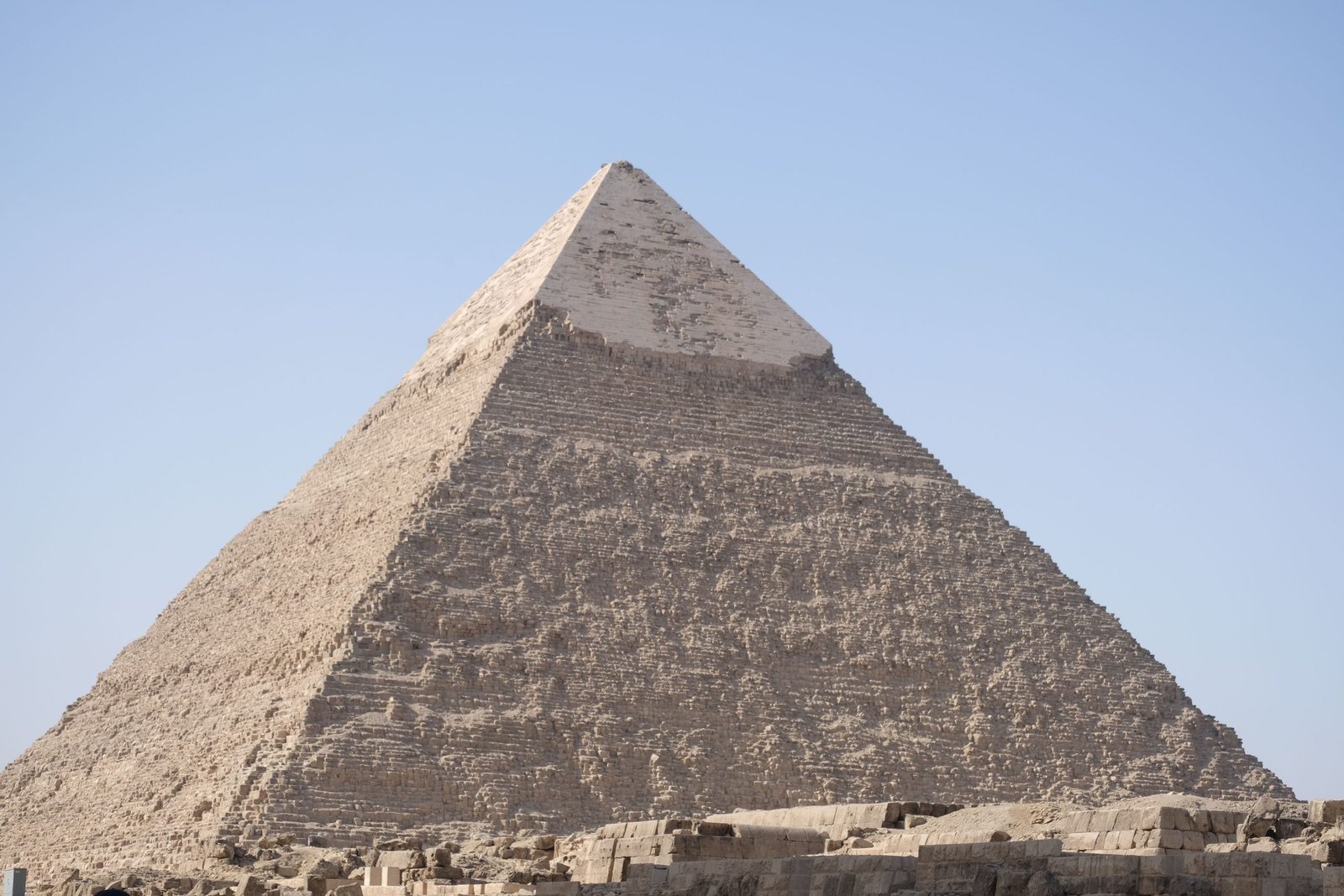
The Rise of One of the World's Greatest Civilizations
Ancient Egyptian civilization developed along the Nile River, whose annual floods enriched the surrounding land and supported agriculture, settlements, and trade. The river became the foundation of Egyptian life, connecting communities and helping shape a society that would eventually build some of the world's most remarkable monuments.
The unification of Upper and Lower Egypt around 3100 BCE traditionally marks the beginning of dynastic Egyptian history. Over the following millennia, Egypt experienced periods of political strength, cultural achievement, transformation, and renewal.
The ancient Egyptians developed systems of writing, sophisticated artistic traditions, and remarkable knowledge of mathematics, astronomy, medicine, and engineering. Their monuments reflect not only technical skill but also a complex understanding of religion, kingship, and the relationship between earthly life and the afterlife.
Understanding this background makes a visit to Egypt more meaningful. Every carved wall, painted tomb, and monumental structure offers clues about how people lived, what they believed, and how they understood their place in the universe.
Ancient Egyptian Art, Writing, and Knowledge
The achievements of ancient Egypt extended far beyond pyramid construction.
Hieroglyphic writing allowed Egyptians to record religious texts, royal achievements, names, and important events. These inscriptions appear on temple walls, monuments, tombs, and other objects, providing valuable evidence for understanding ancient Egyptian society.
Egyptian artists followed recognizable conventions in painting and sculpture, while also producing works of remarkable detail and beauty. Tomb paintings, carved reliefs, jewelry, pottery, and decorated objects reveal aspects of religious belief, social status, craftsmanship, and everyday life.
Ancient Egyptians also developed practical knowledge in areas such as measurement, surveying, medicine, and timekeeping. Their ability to apply observation and calculation to agriculture, architecture, and administration contributed to the durability of their civilization.
For modern travelers, these achievements offer another reason to look beyond the famous monuments. Museums and archaeological sites reveal the people, ideas, and skills behind the stone structures.
Beyond Giza: Discover Egypt's Ancient Temples and Tombs
The story of ancient Egypt does not end at the pyramids. Across the country, temples, tombs, and archaeological landscapes reveal different periods and traditions.
In Luxor, the monumental complexes of Karnak and Luxor Temple demonstrate the scale and sophistication of ancient Egyptian religious architecture. The nearby Valley of the Kings contains royal tombs decorated with scenes and texts associated with the afterlife.
In Aswan, the temples of Philae and the monumental site of Abu Simbel offer further insight into Egyptian religion, kingship, and the artistic achievements of different historical periods.
Saqqara, south of Cairo, is particularly important for understanding the evolution of pyramid construction. Its Step Pyramid of Djoser represents a major development in monumental stone architecture and predates the great pyramids of Giza.
Each destination contributes a different chapter to the story. Combining Cairo and Giza with Luxor or Aswan can provide a broader understanding of the diversity and development of ancient Egyptian civilization.
Why Is Ancient Egypt Still Important Today?
Ancient Egypt remains important because it demonstrates how human societies can develop complex systems of knowledge, belief, art, and organization.
Its monuments continue to inspire architects and engineers, while its art and writing remain subjects of scholarly research. Archaeological discoveries also continue to refine our understanding of Egyptian history and the lives of the people who contributed to it.
The preservation of these sites matters not only to Egypt but also to the world’s shared cultural heritage. Responsible tourism, respect for archaeological regulations, and support for preservation efforts help ensure that future generations can continue learning from these extraordinary places.
Visiting Egypt is therefore an opportunity to appreciate both the achievements of the past and the importance of protecting them.
Discover Egypt Beyond the Ordinary with Falak Luxury Tourism
Egypt’s greatest treasures are not limited to its monuments. They are also found in the landscapes that connect them, the culture that surrounds them, and the stories that give each place its meaning.
At Falak Luxury Tourism, we believe that exploring Egypt should be more than following a standard sightseeing route. It should be an opportunity to discover the country’s heritage through thoughtfully planned journeys, meaningful experiences, and a deeper appreciation of its extraordinary past.
Ready to discover the wonders of Egypt?
Explore our tours and discover a more personal way to experience Egypt’s timeless history.
